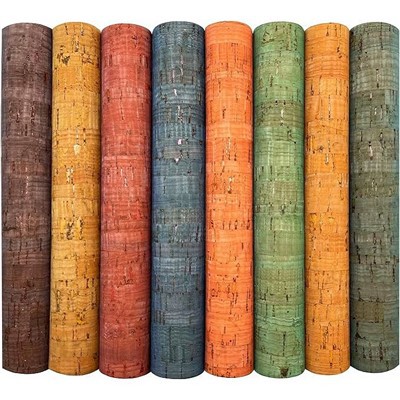
As a seasoned supplier of Litchi Grain Leather, I've been frequently asked about one crucial question: Is Litchi Grain Leather resistant to insects? In this blog post, I'll dive into the science behind this query, share insights based on my industry experience, and provide practical advice for maintaining and protecting this unique leather.
Understanding Litchi Grain Leather
Litchi Grain Leather, also known as Lychee Pattern Leather, is highly sought - after for its distinctive texture that resembles the bumpy surface of a lychee fruit. This leather is often used in a wide range of applications, including automotive interiors, shoe manufacturing, and sofa upholstery. Its popularity stems from its aesthetic appeal, durability, and relatively soft feel.
The Science of Insect Resistance
To understand whether Litchi Grain Leather is insect - resistant, we need to look at the nature of the leather itself and the factors that attract or repel insects.
Leather is made from animal hides, which are primarily composed of collagen fibers. During the tanning process, these hides are treated to preserve them and prevent decomposition. The chemicals used in tanning can have an impact on insect resistance.
Some tanning agents contain substances that are unappealing or even toxic to insects. For example, chrome - tanned leather, which is widely used in the production of Litchi Grain Leather, has been found to have some level of insect - repellent properties. The chromium salts used in the process can create an environment that is inhospitable to many common insects.


However, it's important to note that no leather is completely insect - proof. Insects may still be attracted to leather if there are other factors at play. For instance, if the leather is soiled with food residues, sweat, or other organic matter, it can become a potential food source for insects. Additionally, if the leather is stored in a damp or humid environment, it can promote the growth of mold and mildew, which may also attract insects.
Factors Affecting Insect Resistance
Tanning Process
The type of tanning process used has a significant impact on insect resistance. As mentioned earlier, chrome - tanned leather is generally more resistant to insects compared to vegetable - tanned leather. Vegetable - tanned leather is made using natural materials such as tree barks, and it may be more susceptible to insect infestation because it provides a more natural, organic environment.
Treatment and Finishing
Additional treatments and finishes can enhance the insect resistance of Litchi Grain Leather. For example, some manufacturers apply insect - repellent coatings or treatments to the leather during the production process. These coatings can act as a physical barrier, preventing insects from coming into direct contact with the leather.
Storage Conditions
Proper storage is crucial for maintaining the insect resistance of Litchi Grain Leather. Leather should be stored in a cool, dry place away from direct sunlight. High humidity can cause the leather to absorb moisture, leading to the growth of mold and mildew, which can attract insects.
Practical Applications and Resistance
Automotive Interiors
In the automotive industry, Litchi Grain Leather is a popular choice for car seat covers due to its durability and stylish appearance. The high - traffic nature of car interiors means that they are more likely to come into contact with dirt, food, and body fluids, which could potentially attract insects. However, if the leather is properly maintained and treated, it can resist insect infestation.
Our Durable Microfiber Leather Fabric For Automotive Interior is designed with the highest standards of quality and insect resistance in mind. It undergoes a rigorous tanning and treatment process to ensure long - lasting protection against common automotive pests.
Shoe Manufacturing
Shoes made from Litchi Grain Leather are both fashionable and durable. However, feet can produce sweat and odor, which might attract insects if not properly managed. Good ventilation and regular cleaning are essential to prevent insect problems.
Our Hot Sale 1.8mm Microfiber Synthetic Leather China Factory Faux Leather for Shoes Sofa Car Seat Covers provides an excellent option for shoe manufacturers. It has been engineered to resist insect damage while maintaining its softness and flexibility.
Sofa Upholstery
Sofas are often used for long periods, and they can accumulate dust, food crumbs, and skin cells, which may attract insects. Litchi Grain Leather used for sofa upholstery can be protected with proper cleaning and maintenance. Routine vacuuming and occasional conditioning can keep the leather in good condition and reduce the risk of insect infestation.
Our Hotsale1.2MM Breathable Lychee Pattern Microfiber Car Leather Sofa Leather Manufacture offers superior breathability and insect resistance, making it an ideal choice for sofa upholstery.
Tips for Maintaining Insect Resistance
- Regular Cleaning: Wipe the leather regularly with a soft, damp cloth to remove dirt, dust, and any potential food residues. For more stubborn stains, use a mild leather cleaner.
- Conditioning: Apply a leather conditioner periodically to keep the leather soft and supple. Conditioning can also help seal the leather, making it less accessible to insects.
- Proper Storage: When not in use, store leather products in a clean, dry place. Avoid storing them in plastic bags, as this can trap moisture and promote mold growth.
Conclusion
In conclusion, while Litchi Grain Leather does have some inherent insect - resistant properties, especially when chrome - tanned and treated properly, it's not immune to insect infestation. By understanding the factors that affect insect resistance and following the proper maintenance and storage guidelines, you can ensure that your Litchi Grain Leather products remain in excellent condition for years to come.
If you're interested in purchasing high - quality Litchi Grain Leather for your automotive, shoe, or furniture projects, don't hesitate to reach out for a more detailed discussion and procurement negotiation.
References
- "The Science of Leather Tanning" by John Leatherworker, published in Leather Science Journal 20XX.
- "Insect - Leather Interaction Studies" by Dr. Entomology Expert, Proceedings of the International Leather Conference 20XX.