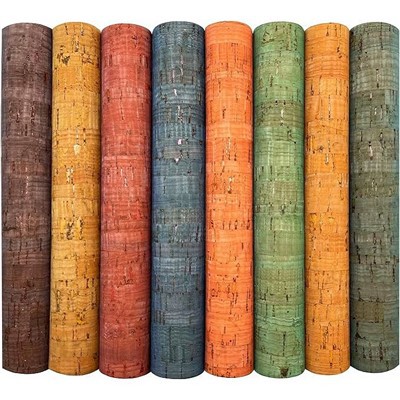
Well, if you're into DIY projects and love the look of cork fabric, you might be curious about how to dye colored cork fabric at home. I'm a supplier of colored cork fabric, so I've got some hands - on experience and tips to share with you.
Why Dye Cork Fabric?
Cork fabric is an amazing material. It's sustainable, lightweight, and has a unique texture. But sometimes, the color options available commercially might not match your specific project needs. Maybe you're working on a custom pair of shoes, a one - of - a - kind handbag, or a decorative piece for your home. That's when dyeing cork fabric yourself comes in handy. You can create a truly personalized color that makes your project stand out.
Stuff You'll Need
First off, let's talk about the materials and tools you'll need for this at - home dyeing project.
- Cork Fabric: Obviously, you need some cork fabric. If you're looking for affordable options, you can check out Cheap Colored Cork Fabric Made in China for Footwear Handbags Hat Laptop Automotive Interiors Furniture.
- Fabric Dye: Choose a dye that's suitable for natural materials. Acid dyes or fiber - reactive dyes work well with cork. You can find them at craft stores or online.
- Container: A large plastic or stainless - steel container is perfect for the dyeing process. Make sure it's big enough to fully submerge your cork fabric.
- Gloves: Protect your hands from the dye. Rubber or latex gloves will do the job.
- Stirring Utensil: A wooden spoon or a plastic stir stick can be used to mix the dye and move the cork fabric around in the container.
- Salt (Optional): If you're using an acid dye, adding some salt to the dye bath can help the color set better.
Preparing the Cork Fabric
Before you start dyeing, you need to prepare the cork fabric properly.
- Cleaning: Give the cork fabric a gentle wash with mild soap and water. This will remove any dirt, dust, or oils on the surface. Rinse it thoroughly and let it air - dry completely.
- Cutting: If you need to, cut the cork fabric into the desired size and shape for your project. It's easier to dye the fabric before you start assembling your project.
Mixing the Dye
Now it's time to mix the dye.


- Read the Instructions: Different dyes have different mixing ratios. So, carefully read the instructions on the dye package.
- Hot Water: Most dyes work best in hot water. Boil some water and let it cool slightly to around 140 - 160°F (60 - 70°C).
- Mixing: Pour the appropriate amount of dye powder or liquid into the hot water. Stir it well until the dye is fully dissolved. If you're using salt, add it to the dye bath and stir again.
Dyeing the Cork Fabric
Here's how to actually dye the cork fabric.
- Submerging: Put on your gloves and gently place the cork fabric into the dye bath. Make sure it's fully submerged. Use the stirring utensil to move the fabric around in the dye bath. This helps the dye penetrate evenly.
- Time and Temperature: The longer you leave the cork fabric in the dye bath, the darker the color will be. Keep the temperature of the dye bath stable. You can use a hot plate or a slow cooker to maintain the heat if needed. Stir the fabric every few minutes to ensure even coloring.
- Testing the Color: After a while, take a small piece of the fabric out of the dye bath and rinse it under cold water. Check the color. If it's not dark enough, put it back in the dye bath and continue the process.
Rinsing and Drying
Once you're happy with the color, it's time to rinse and dry the cork fabric.
- Rinsing: Take the cork fabric out of the dye bath and rinse it under cold running water. Keep rinsing until the water runs clear. This helps remove any excess dye.
- Drying: Hang the cork fabric up to air - dry. Avoid direct sunlight as it can fade the color. Make sure it's fully dry before you start using it for your project.
Tips and Tricks
- Multiple Dyes: If you want a more complex color, you can use multiple dyes. For example, you can dip the fabric in one dye first, let it dry a bit, and then dip it in another dye.
- Resist Techniques: You can use wax or masking tape to create patterns on the cork fabric before dyeing. The areas covered by the wax or tape won't take the dye, creating a unique design.
- Color Fastness: To improve the color fastness of the dyed cork fabric, you can use a fabric fixative. Follow the instructions on the fixative package.
Troubleshooting
- Uneven Color: If the color is uneven, it might be because the fabric wasn't stirred enough in the dye bath. You can try re - dyeing the fabric or using a fabric marker to touch up the lighter areas.
- Fading: If the color fades quickly, it could be due to improper dyeing or rinsing. Make sure you follow the dyeing instructions carefully and rinse the fabric thoroughly.
Conclusion
Dyeing colored cork fabric at home is a fun and rewarding DIY project. It allows you to create unique colors and designs that match your creative vision. As a colored cork fabric supplier, I encourage you to give it a try. If you're in the market for high - quality and affordable cork fabric, don't forget to check out Cheap Colored Cork Fabric Made in China for Footwear Handbags Hat Laptop Automotive Interiors Furniture.
If you're interested in purchasing cork fabric in bulk for your projects or business, feel free to reach out for a detailed discussion and procurement negotiation. I'm here to assist you in finding the best cork fabric solutions for your needs.
References
- "Fabric Dyeing Basics" - Crafting magazine
- "Sustainable Materials in DIY" - Green Living Journal