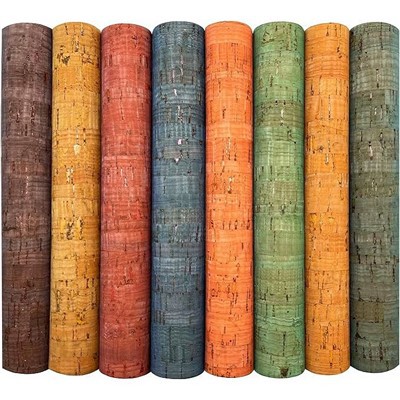
Hey there! As a supplier of PU leather for bags, I often get asked about the tear - resistance of PU leather. So, I thought I'd sit down and write this blog to share some insights on this topic.
First off, let's understand what tear - resistance means. Tear - resistance refers to the ability of a material to withstand the force that tries to tear it apart. In the context of PU leather for bags, it's super important. After all, no one wants a bag that starts to tear at the seams after just a few uses.
PU leather, or polyurethane leather, is a synthetic alternative to genuine leather. It's made by applying a layer of polyurethane to a base fabric. The tear - resistance of PU leather can vary quite a bit depending on several factors.
One of the main factors is the quality of the polyurethane coating. High - quality PU coatings are more durable and have better tear - resistance. These coatings are formulated to be tough and flexible, which helps them resist tearing when the bag is stretched or pulled. For example, the Hot Sale Metallic Cross - pattern Leather Saffiano Leather with Metallic Professional Wholesale Faux Leather for Make Up Bags Children Shoes Yacht Interior Decoration uses a top - notch PU coating that gives it excellent tear - resistance. This means that bags made from this leather can handle the daily wear and tear of being carried around, stuffed with items, and even accidentally tugged on.
The base fabric also plays a crucial role. A strong and tightly woven base fabric provides better support for the PU coating. Fabrics like polyester or nylon are commonly used as base materials because they are strong and have good tensile strength. When the base fabric is strong, it helps distribute the stress evenly across the material, reducing the likelihood of tearing. Our Fashion Synthetic Leather in Stock Metallic Faux Leather Waterproof PU Eco - friendly PU Leather for Bags Footwear Accessories Interior Decoration Car Interior is made with a high - quality base fabric that enhances its overall tear - resistance.
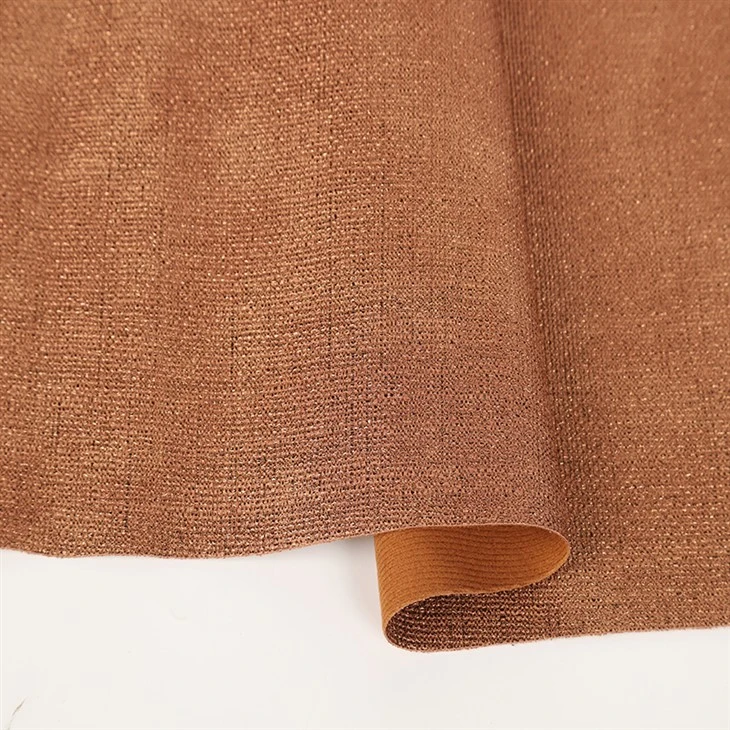

Another factor that affects tear - resistance is the manufacturing process. Proper bonding between the PU coating and the base fabric is essential. If the bonding is weak, the coating may start to peel or separate from the fabric, which can lead to tearing. At our production facility, we use advanced manufacturing techniques to ensure a strong bond between the two layers. This results in a more durable and tear - resistant PU leather.
The thickness of the PU leather also matters. Generally, thicker PU leather tends to have better tear - resistance. However, it's a balance because if it's too thick, the leather may become stiff and less flexible, which isn't ideal for bags. We've found the sweet spot with our Buy Discount Vintage Python Embossing Pu Water - based Snake Faux Leather for Bags Footwear Clothing Automotive Interior Accessories. It's thick enough to offer good tear - resistance but still retains its flexibility, making it perfect for creating stylish and durable bags.
Now, let's talk about how tear - resistance impacts the performance of bags. Bags made from tear - resistant PU leather are more reliable. They can last longer, which is great for both consumers and retailers. Consumers don't have to worry about replacing their bags frequently, and retailers can offer a product with a better reputation for quality.
In terms of design, tear - resistant PU leather allows for more creative freedom. Designers can create bags with complex shapes and structures because they know the leather can handle the stress. For example, bags with sharp corners or large flaps need to be made from a material that can withstand the tension without tearing.
When it comes to testing the tear - resistance of PU leather, there are several industry - standard methods. One common method is the Elmendorf tear test. In this test, a sample of the leather is clamped in a machine, and a pendulum is used to tear the sample. The force required to tear the sample is measured, and this gives an indication of the leather's tear - resistance. We conduct these tests regularly to ensure that our PU leather meets the highest standards of quality.
If you're in the market for PU leather for bags, it's important to choose a supplier who can provide detailed information about the tear - resistance of their products. You want to make sure that the leather you're using can stand up to the demands of your customers.
As a supplier, we're committed to providing high - quality PU leather with excellent tear - resistance. We understand that the success of your bag - making business depends on the quality of the materials you use. That's why we invest in research and development to continuously improve the tear - resistance of our products.
If you're interested in learning more about our PU leather for bags or have any questions about tear - resistance, don't hesitate to reach out. We'd love to have a chat with you and discuss how our products can meet your specific needs. Whether you're a small - scale bag maker or a large - scale manufacturer, we're here to support you.
In conclusion, the tear - resistance of PU leather for bags is a crucial factor that affects the quality, durability, and performance of the bags. By understanding the factors that influence tear - resistance and choosing a high - quality supplier, you can ensure that your bags are made from the best materials possible. So, if you're looking for top - notch PU leather for your bag - making projects, give us a shout. We're ready to help you take your bag designs to the next level.
References:
- Industry standards for testing tear - resistance of synthetic materials
- Research on the properties of polyurethane coatings
- Studies on the impact of base fabrics on the performance of PU leather