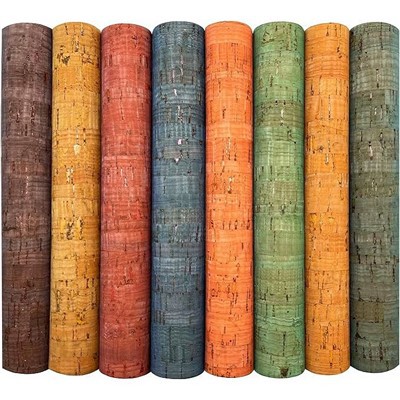
In recent years, the search for sustainable and ethical alternatives to traditional materials has gained significant momentum. One such alternative that has been emerging as a promising option is cork fabric. As a cork fabric supplier, I've witnessed firsthand the growing interest in this unique material. In this blog post, I'll explore whether cork fabric is indeed a good alternative to leather, taking into account various factors such as its environmental impact, physical properties, and practical applications.
Environmental Impact
One of the most compelling reasons to consider cork fabric as an alternative to leather is its environmental friendliness. Leather production is associated with a range of significant environmental challenges. The livestock industry, which is the primary source of leather, emits large amounts of greenhouse gases such as methane. Cattle production requires vast amounts of land for grazing and growing feed crops, leading to deforestation, especially in regions like the Amazon rainforest. Additionally, the tanning process in leather production uses a variety of toxic chemicals, including chromium salts, which can contaminate water sources and harm wildlife when these chemicals are released into the environment.
On the other hand, cork fabric is made from the bark of cork oak trees (Quercus suber), which are primarily found in the Mediterranean region. The harvesting of cork bark is a sustainable process that does not harm the trees. Instead, the bark grows back after it is harvested, and cork oak trees can be harvested every 9 - 12 years for up to 200 years. This means that cork production actually contributes to the preservation of cork oak forests, which are important ecosystems for biodiversity. These forests provide habitat for numerous species of plants and animals, including endangered ones. Moreover, cork oak trees absorb large amounts of carbon dioxide from the atmosphere, helping to mitigate climate change.
Physical Properties
When comparing cork fabric to leather, it's essential to look at their physical properties. Leather is well - known for its durability, strength, and flexibility. High - quality leather can last for decades with proper care, making it a popular choice for products that need to withstand regular use, such as shoes, handbags, and furniture.

Cork fabric also offers impressive physical characteristics. It is naturally water - resistant due to the presence of suberin, a waxy substance in the cork cells. This makes it suitable for use in products that may come into contact with moisture, such as outdoor shoes or bags. Cork fabric is also lightweight, which can be an advantage in applications where weight is a concern, like travel bags.
In terms of flexibility, cork fabric can be quite pliable, especially when it is combined with a backing fabric. It can be easily cut, sewn, and shaped, similar to leather. However, it may not have the same level of stretch and give as some types of leather, which could be a consideration for certain applications where a high degree of flexibility is required.
Cork fabric is also hypoallergenic and resistant to mold and mildew. This makes it a great option for people with sensitive skin or for use in environments where moisture and humidity are present.
Practical Applications
Leather has been used for a wide range of products for centuries, including footwear, handbags, automotive interiors, and furniture. Its versatility and durability make it a staple in many industries.
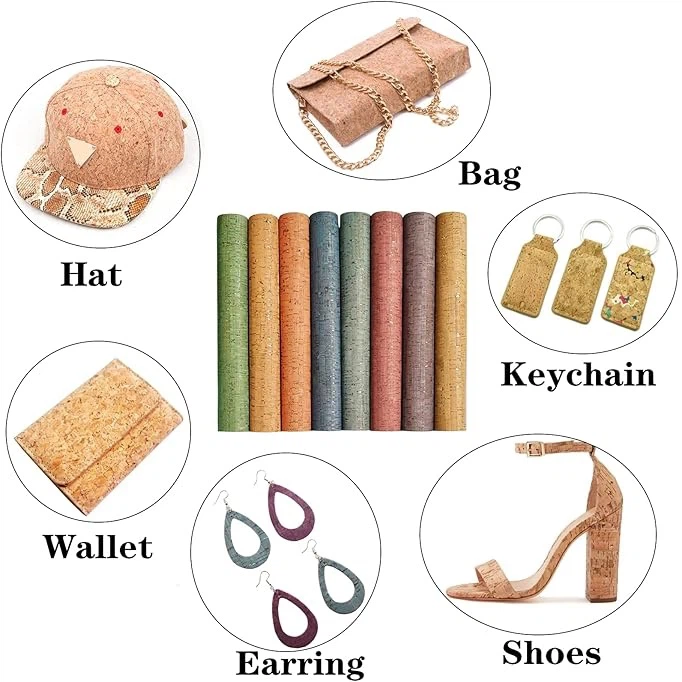
Cork fabric is also finding its way into these same applications. In the footwear industry, cork fabric can be used to make stylish and comfortable shoes. Its water - resistance and lightweight nature make it suitable for both casual and outdoor footwear. For handbags, cork fabric offers a unique and eco - friendly alternative to leather. It can be dyed in a variety of colors and patterns, allowing for creative and fashionable designs.
In the automotive industry, cork fabric is being considered as a material for interior trim. Its durability and resistance to wear and tear make it a potential replacement for leather in car seats, door panels, and dashboard covers. Similarly, in the furniture industry, cork fabric can be used for upholstery, adding a touch of natural beauty and sustainability to sofas, chairs, and ottomans.
You can explore a wide range of cork fabric products for these applications on our website. Check out China Cork Leather Manufacture Hot Sale Cork Fabric for Footwear Handbags Automotive Interiors Furniture or China Cork Leather Supplier Hot Sale Cork Fabric Made in China for Footwear Handbags Hat Automotive Interiors Furniture and Natural Cork Material Manufacture Cork Leather Factory Color Slub Pattern Cork Fabric for Bags Shoes Wallpaper.
Cost and Availability
Leather, especially high - quality leather, can be quite expensive. The cost is influenced by factors such as the type of animal, the tanning process, and the quality of the finish. Additionally, the availability of leather can be affected by factors such as livestock diseases, market demand, and trade regulations.
Cork fabric is generally more affordable than premium leather, although the price can vary depending on factors such as the thickness, quality, and finish of the fabric. As the demand for cork fabric increases, its availability is also improving. There are now more suppliers and manufacturers offering a variety of cork fabric products, making it easier for businesses and consumers to access this sustainable material.
Aesthetics
Leather has a distinct and luxurious look and feel that many people find appealing. It develops a unique patina over time, which adds to its charm and character. The texture and grain of leather can vary depending on the animal and the tanning process, offering a wide range of aesthetic options.
Cork fabric also has its own aesthetic appeal. It has a natural, earthy look that can add a touch of warmth and authenticity to products. The surface of cork fabric has a unique texture that is both visually interesting and tactile. It can be embossed or printed to create different patterns and designs, allowing for a high degree of customization. While it may not have the same classic luxury look as some leathers, cork fabric offers a modern and eco - friendly alternative that is increasingly popular among consumers.
Conclusion
In conclusion, cork fabric is a very good alternative to leather, especially when considering environmental, health, and cost factors. Its sustainable production process, impressive physical properties, and wide range of practical applications make it a viable option for many industries. While it may not completely replace leather in all applications due to differences in aesthetics and some physical properties, it offers a compelling alternative for those looking to make more sustainable choices.
If you're interested in exploring the possibilities of using cork fabric in your products, I encourage you to reach out to discuss your specific needs and requirements. We can work together to find the best cork fabric solutions for your business. Whether you're a footwear manufacturer, a handbag designer, or an automotive interior supplier, we have the expertise and products to meet your demands.
References
- "The Environmental Impact of Leather Production." Journal of Sustainable Fashion and Textiles.
- "Cork Oak Forests: An Ecosystem at the Crossroads." Mediterranean Forestry Journal.
- "Properties and Applications of Cork Material." Materials Science and Engineering Journal.