Hey there! As a supplier of vegan leather for sofas, I often get asked about the heat - retention properties of this amazing material. So, let's dive right in and explore what makes vegan leather hold heat the way it does.
First off, what exactly is vegan leather? Well, it's an artificial alternative to traditional animal - based leather. There are different types of vegan leather out there, like polyurethane (PU) leather and microfiber leather. These materials are made from synthetic polymers, which gives them some unique characteristics when it comes to heat retention.
One of the key factors that affect heat retention in vegan leather is its structure. Microfiber leather, for example, is made up of extremely fine fibers that are tightly packed together. This dense structure acts as a bit of a barrier, preventing heat from easily escaping. Think of it like a warm blanket. The closer the fibers are, the better they can trap the heat inside. Our Hotsale1.2MM Breathable Lychee Pattern Microfiber Car Leather Sofa Leather Manufacture has this kind of great structure. It not only looks cool with its lychee pattern but also has good heat - retention capabilities due to its microfiber composition.
On the other hand, the type of coating on the vegan leather also plays a huge role. Polyurethane - coated vegan leathers often have a smooth surface. This smoothness can reduce air circulation around the material. When air can't move freely, heat gets trapped more effectively. It's similar to how a sealed container keeps things warm. The coating acts as a seal, holding the heat close to the surface of the leather. Our Durable Microfiber Leather Fabric For Automotive Interior has a high - quality PU coating that helps in retaining heat while also being durable enough for automotive use.
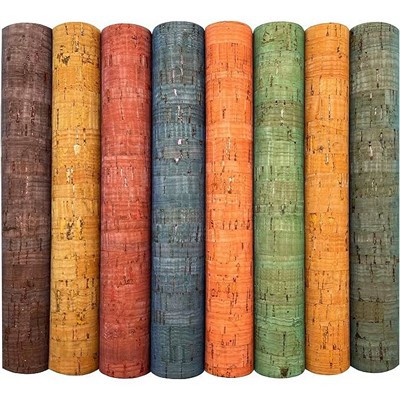
Another aspect to consider is the color of the vegan leather. Darker colors tend to absorb more heat than lighter ones. This is because they absorb a wider spectrum of light wavelengths. When light is absorbed, it's converted into heat energy. So, if you choose a dark - colored vegan leather for your sofa, it's likely to feel warmer. However, it's not all about the color. Even light - colored vegan leathers can retain heat well if they have the right structure and coating. Our Best Faux Leather Upholstery Fabric For Car Seat comes in a variety of colors, and you can choose according to your heat - retention needs and aesthetic preferences.
Now, you might be wondering how the heat - retention of vegan leather compares to traditional leather. Well, traditional leather has natural pores that allow some air circulation, which can make it feel a bit cooler. But vegan leather, with its synthetic nature, can be engineered to have better heat - retention properties. In fact, in some cases, vegan leather can be warmer and more consistent in its heat - holding ability.


The thickness of the vegan leather also matters. Thicker materials generally retain heat better than thinner ones. A thicker layer of vegan leather means more material to trap the heat. It's like having an extra layer of insulation. So, if you live in a colder climate, you might want to consider a thicker vegan leather for your sofa.
But heat retention isn't always a good thing. In hot climates, you might not want your sofa to be too warm. That's where the breathability of the vegan leather comes in. Some of our microfiber leathers are designed to be breathable. They have tiny pores or channels that allow air to flow through, reducing the amount of heat that gets trapped. This way, you can have the look and feel of leather without getting too hot and sticky.
Let's talk about how heat retention affects the comfort of using a vegan - leather sofa. In the winter, a sofa with good heat - retention properties can be a real cozy spot. You can snuggle up on it and feel warm and comfortable. But in the summer, it's important to have a balance. If the sofa retains too much heat, it can become uncomfortable to sit on for long periods. That's why we focus on developing vegan leathers that offer a good balance between heat retention and breathability.
When it comes to cleaning and maintaining vegan leather, it can also impact its heat - retention properties. If the leather gets dirty or the coating is damaged, it can affect how well it traps heat. Regular cleaning with a mild cleaner can help keep the leather in good condition. Avoid using harsh chemicals that can break down the coating or damage the fibers.
In conclusion, the heat - retention of vegan leather for sofas is influenced by many factors, including its structure, coating, color, thickness, and breathability. As a supplier, we work hard to create vegan leathers that offer the best of both worlds - good heat retention when you need it and breathability when it's too hot. Whether you're looking for a warm and cozy sofa for the winter or a cool and comfortable one for the summer, we've got options for you.
If you're interested in our vegan leather products for sofas, we'd love to have a chat with you. Reach out to us to discuss your specific needs, and we can help you find the perfect vegan leather for your project.
References
- "The Science of Synthetic Materials" - A general study on synthetic polymers and their properties.
- "Leather Alternatives: Performance and Comfort" - Research on the performance and comfort aspects of vegan leather compared to traditional leather.