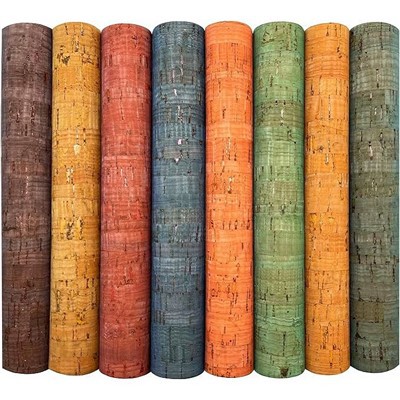
As a dedicated supplier of cork fabric, I often encounter a common question from potential buyers and enthusiasts alike: "Is cork fabric soft or hard?" This seemingly simple query actually delves into the fascinating world of cork material properties, manufacturing processes, and diverse applications. In this blog post, I'll explore the nature of cork fabric, examining its softness and hardness, and shedding light on how these characteristics make it an ideal choice for various industries.
Understanding Cork Fabric
Cork fabric is a unique and sustainable material crafted from the bark of the cork oak tree (Quercus suber). This renewable resource is harvested without harming the tree, making cork fabric an environmentally friendly alternative to traditional leather and synthetic materials. The cork bark is first stripped from the tree, boiled to remove impurities, and then processed into sheets or rolls. These sheets are then combined with a backing material, such as fabric or paper, to create cork fabric.
The Softness of Cork Fabric
One of the most notable features of cork fabric is its softness. When you run your fingers over a piece of cork fabric, you'll notice a smooth, velvety texture that is both pleasant to the touch and comfortable to wear. This softness is due to the cellular structure of cork, which consists of millions of tiny, air-filled cells. These cells act as natural shock absorbers, giving cork fabric a cushioned feel and making it gentle on the skin.
The softness of cork fabric also makes it an excellent choice for applications where comfort is key. For example, cork fabric is commonly used in the production of footwear, such as shoes and sandals. The soft, flexible nature of cork allows it to conform to the shape of the foot, providing a comfortable and supportive fit. Additionally, cork fabric is often used in the lining of handbags and wallets, adding a luxurious touch and protecting the contents from scratches and damage.
The Hardness of Cork Fabric
While cork fabric is known for its softness, it also possesses a certain degree of hardness. This hardness is a result of the cork's natural density and the manufacturing process used to create the fabric. When cork is processed into fabric, it is compressed and treated to enhance its durability and strength. This results in a material that is resistant to wear and tear, making it suitable for a wide range of applications.


The hardness of cork fabric makes it an ideal choice for applications where durability is important. For example, cork fabric is commonly used in the production of furniture, such as chairs and sofas. The hard, resilient nature of cork allows it to withstand the weight and pressure of daily use, making it a long-lasting and practical choice for furniture upholstery. Additionally, cork fabric is often used in the automotive industry, where it is used to line the interiors of cars and trucks. The hardness of cork fabric helps to protect the interior from scratches and damage, while also providing a comfortable and stylish finish.
Factors Affecting the Softness and Hardness of Cork Fabric
The softness and hardness of cork fabric can vary depending on several factors, including the quality of the cork, the manufacturing process, and the thickness of the fabric. Here are some of the key factors that can affect the softness and hardness of cork fabric:
- Quality of the Cork: The quality of the cork used to make the fabric can have a significant impact on its softness and hardness. Higher quality cork is typically more uniform in texture and density, resulting in a softer, more flexible fabric. Lower quality cork may be more uneven in texture and density, resulting in a harder, less flexible fabric.
- Manufacturing Process: The manufacturing process used to create the cork fabric can also affect its softness and hardness. Different manufacturers may use different techniques and treatments to process the cork, which can result in variations in the fabric's properties. For example, some manufacturers may use a more gentle processing method to preserve the natural softness of the cork, while others may use a more aggressive method to enhance its durability and strength.
- Thickness of the Fabric: The thickness of the cork fabric can also affect its softness and hardness. Thicker cork fabric is generally harder and more durable, while thinner cork fabric is softer and more flexible. The thickness of the fabric is typically determined by the intended application, with thicker fabric being used for applications where durability is important and thinner fabric being used for applications where comfort is key.
Applications of Cork Fabric
The unique combination of softness and hardness makes cork fabric a versatile material that can be used in a wide range of applications. Here are some of the most common applications of cork fabric:
- Fashion and Accessories: Cork fabric is a popular choice for fashion and accessories, such as handbags, wallets, shoes, and hats. The soft, flexible nature of cork allows it to be easily shaped and molded into a variety of styles, while its durability and resistance to wear and tear make it a long-lasting and practical choice for everyday use.
- Home Decor: Cork fabric is also commonly used in home decor, such as wallpaper, upholstery, and curtains. The soft, natural texture of cork adds a warm and inviting touch to any room, while its durability and resistance to stains and moisture make it a practical choice for high-traffic areas.
- Automotive Interiors: Cork fabric is increasingly being used in the automotive industry, where it is used to line the interiors of cars and trucks. The hard, resilient nature of cork helps to protect the interior from scratches and damage, while its softness and comfort make it a pleasant place to spend time.
- Furniture: Cork fabric is a popular choice for furniture upholstery, such as chairs, sofas, and ottomans. The soft, flexible nature of cork allows it to conform to the shape of the furniture, providing a comfortable and supportive fit. Additionally, the durability and resistance to wear and tear make it a long-lasting and practical choice for furniture that is used frequently.
Conclusion
In conclusion, cork fabric is a unique and versatile material that combines the softness of a natural fiber with the hardness of a durable material. The softness of cork fabric makes it comfortable to wear and gentle on the skin, while the hardness of cork fabric makes it resistant to wear and tear and suitable for a wide range of applications. Whether you're looking for a sustainable alternative to traditional leather, a comfortable and stylish material for fashion and accessories, or a durable and practical material for home decor and automotive interiors, cork fabric is an excellent choice.
If you're interested in learning more about cork fabric or would like to explore our range of products, please visit our website at Natural Cork Material Manufacture Cork Leather Factory Color Slub Pattern Cork Fabric for Bags Shoes Wallpaper. We offer a wide selection of cork fabrics in various colors, patterns, and thicknesses, and we're happy to help you find the perfect material for your project. Contact us today to start a conversation about your cork fabric needs and let's explore the possibilities together!
References
- "Cork: A Natural and Sustainable Material." Cork Supply USA.
- "The Properties and Applications of Cork." Cork Institute of Technology.
- "Cork Fabric: A Versatile and Sustainable Material." The Spruce Crafts.