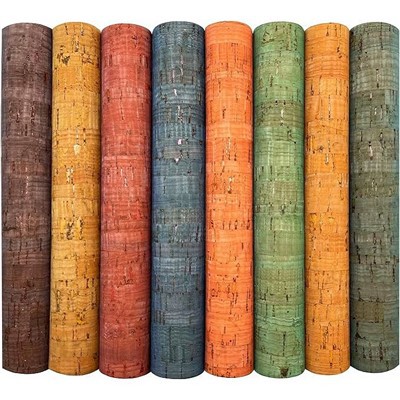
As a supplier of printed cork fabric, I understand the importance of maintaining its quality and appearance. Printed cork fabric is a versatile and eco - friendly material used in various industries such as footwear, handbags, hats, laptop cases, automotive interiors, and furniture. In this blog, I'll share some effective ways to clean printed cork fabric, ensuring it remains in top - notch condition for a long time.
Understanding Printed Cork Fabric
Before delving into the cleaning process, it's essential to understand what printed cork fabric is. Cork is harvested from the bark of cork oak trees, a sustainable and renewable resource. The bark is processed to create a thin, flexible material, which is then printed with various designs. This fabric combines the natural beauty of cork with the aesthetic appeal of prints.
The unique properties of cork, such as its water - resistance, durability, and hypoallergenic nature, make it a popular choice. However, the printing on the fabric requires special care during cleaning to prevent fading or damage.
General Cleaning Guidelines
Regular Dusting
Dusting is the first step in maintaining printed cork fabric. Use a soft, dry microfiber cloth to gently wipe the surface of the fabric. Microfiber cloths are great because they can trap dust particles without scratching the cork. This simple step should be done regularly, especially if the fabric is used in an area prone to dust accumulation, like a living room or a car interior.
Spot Cleaning
For small stains, spot cleaning is often sufficient. Start by mixing a small amount of mild, pH - neutral soap with lukewarm water. Dip a clean, soft cloth into the soapy water and wring it out until it's only slightly damp. Gently blot the stained area, being careful not to rub too hard as this can damage the print.
After blotting, use a separate clean, damp cloth to rinse the area and remove any soap residue. Finally, pat the area dry with a dry cloth. It's crucial to test the soapy solution on a small, inconspicuous area of the fabric first to ensure that it doesn't cause any discoloration or damage to the print.
Cleaning Different Types of Stains
Grease and Oil Stains
Grease and oil stains can be a bit more challenging to remove from printed cork fabric. One effective method is to use cornstarch or baking soda. Sprinkle a generous amount of either cornstarch or baking soda on the stain and let it sit for at least 30 minutes. These substances will absorb the grease and oil.
After the waiting period, use a soft brush or a clean, dry cloth to gently brush off the powder. If the stain persists, you can try using a small amount of rubbing alcohol on a cotton ball. Dab the alcohol on the stain, but be extremely cautious as alcohol can potentially damage the print. Always test it on a small area first.
Ink Stains
Ink stains can be particularly stubborn. For water - based ink stains, start by blotting the stain with a clean, damp cloth as soon as possible. If the stain remains, you can try using a small amount of milk. Dip a cotton ball in milk and gently dab the stain. The proteins in the milk can help break down the ink.

For permanent ink stains, it's best to consult a professional cleaner. However, if you want to attempt to remove it yourself, you can try using a specialized ink - stain remover. Make sure to follow the instructions on the product carefully and test it on a small area first.
Food and Beverage Stains
Food and beverage stains should be treated quickly. Blot the stain with a clean cloth to remove as much of the liquid as possible. Then, follow the spot - cleaning procedure using a mild, soapy water solution. For tougher stains, you can add a small amount of white vinegar to the soapy water. Vinegar can help break down the organic matter in the stain.
Deep Cleaning
If your printed cork fabric has accumulated a lot of dirt or stains over time, a deep clean may be necessary. However, deep cleaning should be done sparingly to avoid damaging the fabric.
Professional Cleaning
For large - scale or extremely dirty printed cork fabric items, it's advisable to take them to a professional cleaner who has experience with cork materials. Professional cleaners have access to specialized equipment and cleaning solutions that can effectively clean the fabric without causing damage.
DIY Deep Cleaning
If you choose to do a DIY deep clean, fill a large basin or sink with lukewarm water and a small amount of mild, pH - neutral soap. Gently submerge the printed cork fabric item in the water and use your hands to agitate it gently. Avoid scrubbing or wringing the fabric.
After a few minutes, remove the item from the water and rinse it thoroughly under running water to remove all the soap. Pat the fabric dry with a clean, dry towel and then let it air - dry completely. Make sure to lay it flat to prevent any wrinkles or distortion.
Preventive Measures
To keep your printed cork fabric looking its best, it's important to take preventive measures. Avoid placing the fabric in direct sunlight for extended periods as this can cause the print to fade. Use coasters and placemats on cork - covered furniture to prevent stains from food and drinks.
When storing printed cork fabric items, make sure they are clean and dry. Store them in a cool, dry place away from sharp objects that could scratch the fabric.
Conclusion
Cleaning printed cork fabric requires a gentle touch and the right techniques. By following the guidelines mentioned above, you can ensure that your printed cork fabric items remain clean, beautiful, and durable for a long time.
As a supplier of Printed Cork Fabric China Manufacture Cork Leather Supplier for Footwear Handbags Hat Laptop Automotive Interiors Furniture, I'm committed to providing high - quality products and sharing useful information with our customers. If you have any questions about cleaning or using our printed cork fabric, or if you're interested in purchasing our products, feel free to contact us for more details and to start a procurement negotiation.
References
- Cork Fabric Association. "Best Practices for Cork Fabric Maintenance."
- Textile Cleaning Journal. "Stain Removal Techniques for Specialized Fabrics."
- Professional Cleaner's Handbook. "Handling Delicate Materials."