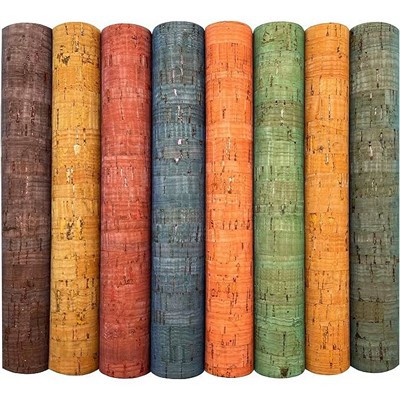
In the realm of materials for various applications, the choice between colored cork fabric and leather has become a significant consideration for designers, manufacturers, and consumers alike. As a supplier of colored cork fabric, I am excited to delve into a detailed comparison of these two materials, exploring their characteristics, advantages, and disadvantages to help you make an informed decision.
Physical Properties
Let's start by examining the physical properties of colored cork fabric and leather. Leather is renowned for its durability and strength. It can withstand significant wear and tear, making it a popular choice for products that require long - term use, such as high - end handbags and automotive interiors. The natural fibers in leather are tightly packed, giving it a robust structure that resists punctures and abrasions.
On the other hand, colored cork fabric offers a unique set of physical properties. Cork is a lightweight material, which can be a major advantage in applications where weight is a concern, like footwear and hats. The cellular structure of cork makes it buoyant and compressible. When pressure is applied, the cells in the cork can collapse and then return to their original shape, providing excellent shock - absorption capabilities. This property also makes colored cork fabric a great option for laptop cases, as it can protect the device from minor impacts.
In terms of texture, leather has a smooth and often luxurious feel. Depending on the type of leather, it can range from soft and supple to firm and rigid. Colored cork fabric, however, has a more textured and natural feel. The surface of the cork has a distinct pattern, which adds a rustic and eco - friendly charm to the products made from it.
Aesthetic Appeal
Aesthetics play a crucial role in the selection of materials. Leather has long been associated with luxury and sophistication. Its natural grain patterns and the ability to be dyed in a wide range of colors make it a versatile choice for high - end fashion and interior design. Leather products often exude a sense of elegance and class, and they can be easily customized to meet different design requirements.
Colored cork fabric, on the other hand, offers a unique aesthetic that is both modern and eco - conscious. The natural color variations in cork, combined with the ability to dye it in various bright and vibrant colors, create a visually appealing material. The cork's texture gives products a unique look that stands out from traditional leather items. For those who are looking for something different and more sustainable, colored cork fabric can be an excellent alternative. It can add a touch of nature and creativity to footwear, handbags, and furniture. You can explore a wide range of cheap colored cork fabric options at Cheap Colored Cork Fabric Made in China for Footwear Handbags Hat Laptop Automotive Interiors Furniture.
Environmental Impact
In today's world, environmental considerations are of utmost importance. Leather production has a significant environmental footprint. The tanning process, which is used to transform raw hides into leather, often involves the use of toxic chemicals such as chromium salts. These chemicals can pollute water sources and harm the environment. Additionally, the livestock industry, which provides the raw materials for leather, is a major contributor to greenhouse gas emissions and deforestation.
Colored cork fabric, on the other hand, is an eco - friendly alternative. Cork is harvested from the bark of cork oak trees without harming the trees. The bark regenerates every 9 - 12 years, making cork a renewable resource. The production process of colored cork fabric is relatively clean and does not involve the use of harmful chemicals. Moreover, cork oak forests play a crucial role in biodiversity conservation, providing habitats for many endangered species. By choosing colored cork fabric, you are making a more sustainable choice for the environment.
Cost
Cost is another important factor to consider. Leather can be quite expensive, especially high - quality, full - grain leather. The cost of leather is influenced by factors such as the type of animal, the tanning process, and the quality of the hide. This makes leather products relatively expensive, which may limit their accessibility to some consumers.
Colored cork fabric, in contrast, is generally more affordable. The production process of cork fabric is less complex and costly compared to leather. As a result, products made from colored cork fabric can be offered at a lower price point without compromising on quality. This makes it an attractive option for budget - conscious consumers and manufacturers looking to reduce production costs. The Cheap Colored Cork Fabric Made in China for Footwear Handbags Hat Laptop Automotive Interiors Furniture offers a cost - effective solution for various applications.
Maintenance
Maintenance requirements also differ between colored cork fabric and leather. Leather requires regular care to maintain its appearance and durability. It needs to be cleaned with specific leather cleaners and conditioners to prevent drying, cracking, and discoloration. Exposure to extreme temperatures and humidity can also damage leather, so it needs to be stored in a controlled environment.
Colored cork fabric is relatively low - maintenance. It is resistant to water, mold, and mildew, which means it can be easily cleaned with a damp cloth. Unlike leather, it does not require special cleaners or conditioners. The natural properties of cork make it a durable material that can withstand normal wear and tear without significant maintenance.
Applications
Both colored cork fabric and leather have a wide range of applications. Leather is commonly used in the fashion industry for making handbags, wallets, shoes, and belts. It is also a popular choice for automotive interiors, furniture upholstery, and luxury goods.
Colored cork fabric is also versatile and can be used in similar applications. It is increasingly being used in the footwear industry, where its lightweight and shock - absorbing properties are highly valued. In the handbag and accessory market, colored cork fabric offers a unique and sustainable alternative to leather. It can also be used for hat making, laptop cases, and automotive interiors. In furniture design, cork fabric can add a natural and modern touch to chairs, sofas, and other pieces.
Conclusion
In conclusion, both colored cork fabric and leather have their own unique advantages and disadvantages. Leather is known for its durability, luxury appeal, and long - standing reputation in the market. However, it has a significant environmental impact and can be expensive. Colored cork fabric, on the other hand, offers a sustainable, lightweight, and cost - effective alternative. It has a unique aesthetic appeal and is relatively low - maintenance.


If you are a designer, manufacturer, or consumer looking for a more sustainable and innovative material, I encourage you to consider colored cork fabric. Whether you are working on a high - end fashion project or a budget - friendly interior design, colored cork fabric can meet your needs. If you are interested in learning more about our colored cork fabric products or would like to discuss a potential purchase, please feel free to reach out for further details and to start a procurement negotiation.
References
- Cork: Properties, Production, and Uses. Edited by Alvaro Pereira and João M. Pereira. Springer, 2015.
- Leather Science and Technology. By John A. Covington. Woodhead Publishing, 2015.