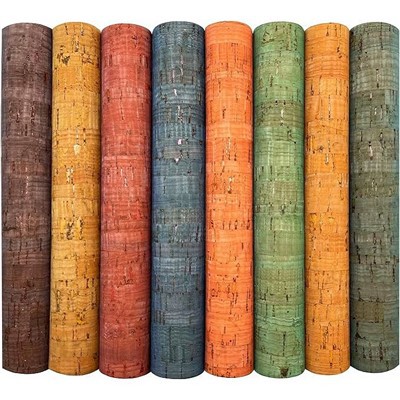
Vegan leather has become an increasingly popular choice for sofas in recent years, driven by concerns for animal welfare, environmental sustainability, and cost - effectiveness. As a supplier of vegan leather for sofas, I often get asked whether this type of material can be repaired. In this blog, I'll delve into the topic, exploring the repairability of vegan leather, methods for repair, and some key considerations.
What is Vegan Leather for Sofas?
Vegan leather, also known as faux leather or synthetic leather, is an artificial material designed to mimic the look and feel of real leather without using animal hides. There are different types of vegan leather used for sofas, including polyurethane (PU) leather, polyvinyl chloride (PVC) leather, and microfiber leather.


Microfiber leather, for example, is a high - quality vegan leather option. It is made from ultra - fine fibers that are woven together and then coated with a polymer. Microfiber leather offers excellent durability and a luxurious appearance. You can find some great options like Durable Microfiber Leather Fabric For Automotive Interior and Hot Sale 1.8mm Microfiber Synthetic Leather China Factory Faux Leather for Shoes Sofa Car Seat Covers. These products are not only suitable for automotive use but also work well for sofas, providing a soft and comfortable seating experience.
Can Vegan Leather for Sofas be Repaired?
The short answer is yes, vegan leather for sofas can be repaired. However, the ease and success of the repair depend on several factors, such as the type of damage, the type of vegan leather, and the age of the material.
Minor Scuffs and Scratches
Minor scuffs and scratches are common on sofas, especially in high - traffic areas. For vegan leather, these can often be repaired relatively easily. If the scuff is on the surface, you can try using a mild soap and water solution. Gently clean the area with a soft cloth, then dry it thoroughly. In many cases, this simple cleaning can make the scuff less noticeable.
For deeper scratches, there are leather repair kits available in the market. These kits usually contain a filler to fill in the scratch and a color - matching compound to blend the repaired area with the rest of the leather. When using a repair kit, it's important to follow the instructions carefully. First, clean the scratched area, then apply the filler. Once the filler is dry, sand it gently to make it smooth. Finally, apply the color - matching compound to achieve a seamless finish.
Tears and Holes
Tears and holes in vegan leather are more challenging to repair but still possible. For small tears, you can use a leather adhesive. Apply the adhesive to the edges of the tear, then press them together firmly. Hold the edges in place for a few minutes until the adhesive sets.
For larger holes, you may need to patch the area. You can purchase a patch that matches the color and texture of your vegan leather. Cut the patch to the appropriate size, apply adhesive to the back of the patch and the area around the hole, and then carefully place the patch over the hole. Smooth out any air bubbles and let the adhesive dry completely.
Factors Affecting Repairability
Type of Vegan Leather
As mentioned earlier, different types of vegan leather have different properties. PU leather is generally more flexible and easier to repair compared to PVC leather, which can be more rigid. Microfiber leather, on the other hand, has a unique structure that may require specific repair techniques. For example, when repairing microfiber leather, you need to be careful not to damage the fine fibers.
Age of the Material
Older vegan leather may be more difficult to repair. Over time, the material can become brittle, and the color may fade. In such cases, it may be more challenging to find a perfect color match for the repair, and the repaired area may not blend as well with the rest of the sofa.
Severity of Damage
The severity of the damage also plays a crucial role. Minor surface damage is much easier to repair than deep, extensive damage. If the damage is too severe, it may be more cost - effective to replace the entire vegan leather covering of the sofa.
Maintenance to Prevent Damage
To minimize the need for repairs, proper maintenance of vegan leather sofas is essential. Here are some tips:
- Regular Cleaning: Clean your vegan leather sofa regularly with a mild soap and water solution. This helps remove dirt and debris that can cause scratches over time.
- Avoid Harsh Chemicals: Do not use harsh chemicals or abrasive cleaners on your vegan leather sofa, as they can damage the material.
- Protect from Sunlight: Prolonged exposure to sunlight can cause the color of vegan leather to fade. Use curtains or blinds to protect your sofa from direct sunlight.
Why Choose Our Vegan Leather for Sofas?
As a supplier of vegan leather for sofas, we offer high - quality products like Wholesale Litchi Grain Leather Microfiber Leather Manufacture Vegan Leather Supplier in China for Sofa Bag Car Seat Furniture Car Interior. Our vegan leather is not only stylish and comfortable but also relatively easy to maintain and repair. We source the best materials and use advanced manufacturing techniques to ensure the durability and quality of our products.
If you're in the market for vegan leather for your sofas, we invite you to contact us for a detailed discussion. Whether you have questions about repair, maintenance, or our product range, our team of experts is ready to assist you. We can provide you with samples so that you can see and feel the quality of our vegan leather before making a purchase decision.
In conclusion, vegan leather for sofas is a practical and sustainable choice, and it can be repaired when damaged. With the right knowledge and tools, you can keep your vegan leather sofa looking great for years to come. So, don't hesitate to reach out to us if you're interested in our products or have any questions.
References
- "The Ultimate Guide to Vegan Leather" - Various industry publications
- Manufacturer's guides on vegan leather care and repair