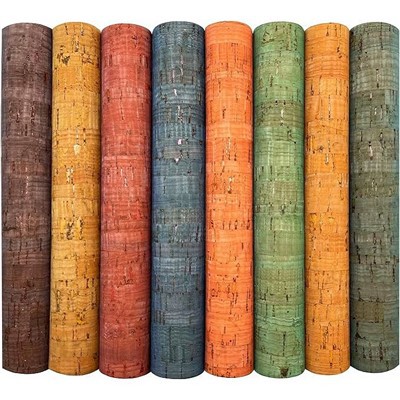
Hey there! As a supplier of printed cork fabric, I often get asked, "Can printed cork fabric be cut easily?" Well, let's dive right into this topic and find out.
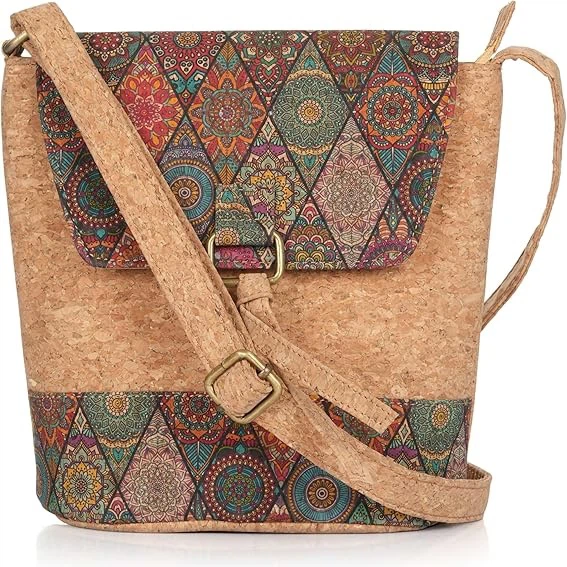
First off, let me give you a bit of background on printed cork fabric. It's a super cool material that combines the natural beauty and functionality of cork with some really awesome prints. Cork itself is harvested from the bark of cork oak trees in a sustainable way, making it an eco - friendly choice. And when we print on it, we can create all sorts of unique designs for different applications, like footwear, handbags, hats, laptop cases, automotive interiors, and furniture. If you're interested in checking out our range of printed cork fabric, you can visit Printed Cork Fabric China Manufacture Cork Leather Supplier for Footwear Handbags Hat Laptop Automotive Interiors Furniture.

Now, back to the question at hand: cutting printed cork fabric. The good news is that, in general, printed cork fabric can be cut relatively easily, but there are a few factors that can affect the cutting process.
The Thickness of the Cork Fabric
One of the main factors is the thickness of the cork fabric. Thinner cork fabrics, usually around 0.5 - 1.5 mm, are a breeze to cut. You can use a sharp pair of scissors, like fabric scissors or even craft scissors. Just make sure the blades are nice and sharp. A dull blade will tear the cork instead of making a clean cut, which can ruin the edges of your fabric.
For example, if you're making small patches or simple shapes for a DIY project, a pair of sharp scissors will do the job perfectly. You can cut out circles, squares, or any other basic shape with ease. It's like cutting through a piece of thick paper, but with a bit more texture.
On the other hand, thicker cork fabrics, say 2 - 3 mm or more, require a bit more effort. For these, a utility knife or a rotary cutter might be a better option. A utility knife gives you more control, especially when you need to make straight cuts. You can score the cork fabric first and then snap it along the scored line. This method works well for larger pieces or when you need to cut long, straight edges.
A rotary cutter, on the other hand, is great for cutting curves and irregular shapes. It has a circular blade that rolls along the fabric, making a smooth cut. But you need to be careful with it, as it can be a bit dangerous if not used properly. Always use a cutting mat to protect your work surface and to ensure a clean cut.
The Type of Print
The type of print on the cork fabric can also affect the cutting process. Some prints are more durable than others. If the print is a simple surface print, it usually won't cause any problems when cutting. But if it's a more complex, multi - layer print or a print that has been treated with special coatings, it might be a bit more delicate.
For instance, if the print has a high - gloss finish, it could be more prone to chipping or peeling when cut. In this case, you need to be extra careful and use a sharp cutting tool. You might also want to test a small piece first to see how the print reacts to the cutting process.
The Cutting Method
There are different cutting methods you can use depending on your project. If you're doing a small - scale project at home, hand - cutting with scissors or a knife is the way to go. It's simple, inexpensive, and you don't need any special equipment.
But for larger - scale production, you might want to consider using a cutting machine. There are several types of cutting machines available in the market, such as laser cutters and die - cutters.
A laser cutter uses a high - powered laser beam to cut through the cork fabric. It's extremely precise and can cut very intricate shapes. The laser also seals the edges of the cork as it cuts, which helps prevent fraying. However, laser cutters are quite expensive and require some technical knowledge to operate.
A die - cutter, on the other hand, uses a die (a pre - shaped metal blade) to cut the fabric. You can create different dies for different shapes and sizes. Die - cutters are great for mass - producing identical pieces. They're fast and efficient, but again, the initial cost of creating the dies can be high.
Tips for Easy Cutting
Here are some tips to make cutting printed cork fabric even easier:
- Keep Your Tools Sharp: As I mentioned earlier, sharp tools are essential for a clean cut. Sharpen your scissors regularly or replace the blades on your utility knife or rotary cutter when they start to get dull.
- Use a Cutting Mat: A cutting mat provides a smooth surface for cutting and protects your workbench. It also helps the blade glide through the fabric more easily.
- Mark Your Cutting Lines: Use a fabric marker or a piece of chalk to mark the cutting lines on the cork fabric. This will help you stay on track and make accurate cuts.
- Take Your Time: Rushing through the cutting process can lead to mistakes. Take your time, especially when cutting complex shapes or thicker fabrics.
In conclusion, printed cork fabric can be cut easily as long as you take the right approach. Whether you're a DIY enthusiast or a manufacturer, understanding the factors that affect the cutting process and using the right tools and techniques will ensure that you get clean, precise cuts every time.
If you're interested in purchasing printed cork fabric for your next project, whether it's for footwear, handbags, hats, or any other application, don't hesitate to reach out. We're here to help you find the perfect cork fabric for your needs and to answer any other questions you might have. Let's start a conversation and see how we can work together to bring your ideas to life!
References
- Cork Manufacturing Handbook: A guide to the production and properties of cork materials.
- DIY Crafting with Cork: Tips and tricks for working with cork in various projects.