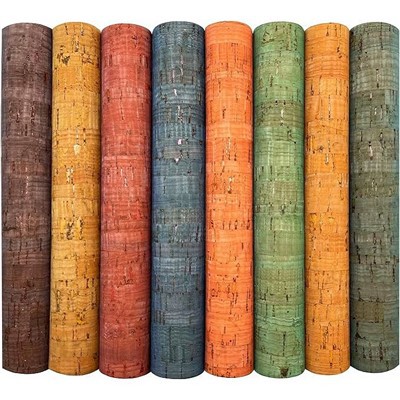
As a supplier of vegan leather, I am often asked about the potential health risks associated with this popular alternative to traditional leather. Vegan leather, also known as faux leather or synthetic leather, has gained significant traction in recent years due to its cruelty - free nature, affordability, and wide range of design options. However, concerns about its safety and health implications are valid and deserve a thorough examination.
Understanding Vegan Leather
Vegan leather encompasses a variety of materials, each with its own composition and manufacturing process. The most common types include polyurethane (PU) leather and polyvinyl chloride (PVC) leather. PU leather is made by applying a polyurethane coating to a fabric base, while PVC leather involves a polyvinyl chloride layer on a backing material. There are also other emerging materials like microfiber leather, which is made from ultra - fine synthetic fibers and is often praised for its durability and resemblance to real leather.
Potential Chemical Risks
One of the primary concerns regarding vegan leather is the presence of chemicals used in its production. PVC leather, for example, contains phthalates. Phthalates are a group of chemicals used to make plastics more flexible and durable. However, some phthalates have been linked to a range of health issues. According to the World Health Organization (WHO), certain phthalates can disrupt the endocrine system, which regulates hormones in the body. Exposure to these chemicals has been associated with reproductive problems, such as reduced sperm quality in men and early puberty in girls. In addition, PVC production often involves the use of lead and cadmium, heavy metals that can accumulate in the body over time and cause neurological damage, especially in children.
PU leather, on the other hand, may release volatile organic compounds (VOCs). VOCs are chemicals that can easily evaporate into the air at room temperature. When inhaled, they can cause a variety of health problems, including eye, nose, and throat irritation, headaches, dizziness, and in some cases, more serious respiratory and central nervous system effects. The amount of VOCs released depends on factors such as the quality of the PU coating, the manufacturing process, and the ventilation in the environment where the vegan leather product is used.
Allergic Reactions
Another aspect to consider is the potential for allergic reactions. Some people may be allergic to the synthetic materials used in vegan leather. For example, the adhesives and dyes used in the production of vegan leather can trigger skin allergies. Symptoms can range from mild itching and redness to more severe rashes and swelling. This is particularly relevant for products that come into direct contact with the skin, such as clothing, shoes, and furniture upholstery.


Microfiber Leather: A Safer Option?
Microfiber leather, a type of vegan leather, is often considered a more eco - friendly and potentially safer alternative. It is made from extremely fine synthetic fibers that are tightly woven together. Microfiber leather typically has a lower content of harmful chemicals compared to PVC and some PU leathers. It also tends to be more breathable, which can reduce the risk of skin irritation.
Our company offers high - quality microfiber leather products, such as the Best Faux Leather Upholstery Fabric For Car Seat. This product is designed to meet the highest standards of quality and safety. It is suitable for car seat covers, providing a comfortable and stylish alternative to real leather. Our Wholesale Litchi Grain Leather Microfiber Leather Manufacture Vegan Leather Supplier in China for Sofa Bag Car Seat Furniture Car Interior offers a wide range of microfiber leather options for various applications, from sofas to car interiors. And our Hot Sale 1.8mm Microfiber Synthetic Leather China Factory Faux Leather for Shoes Sofa Car Seat Covers is a popular choice for those looking for a durable and versatile vegan leather product.
Mitigating Health Risks
As a responsible vegan leather supplier, we take several steps to mitigate the potential health risks associated with our products. First, we carefully select our raw materials. We work with suppliers who adhere to strict environmental and safety standards. For example, we source microfiber leather from manufacturers that use low - VOC and phthalate - free materials.
Second, we conduct regular quality control checks on our products. Our products are tested for the presence of harmful chemicals, including heavy metals, phthalates, and VOCs. We ensure that our products meet or exceed the relevant safety standards set by international organizations.
Finally, we provide clear information to our customers about the materials used in our products and any potential health risks. We encourage our customers to follow proper care and maintenance instructions to minimize exposure to any residual chemicals. For example, we recommend airing out new vegan leather products in a well - ventilated area before use.
Conclusion
While there are potential health risks associated with some types of vegan leather, especially PVC and certain low - quality PU leathers, not all vegan leather products are created equal. Microfiber leather offers a promising alternative with lower chemical content and better breathability. As a vegan leather supplier, we are committed to providing safe and high - quality products to our customers.
If you are interested in our vegan leather products and would like to discuss procurement, please feel free to reach out. We are ready to provide you with detailed product information and competitive pricing. We believe that our products can meet your needs while ensuring the safety and well - being of your customers.
References
- World Health Organization (WHO). (2017). Endocrine - Disrupting Chemicals. Retrieved from the official WHO website.
- American Lung Association. (2020). Volatile Organic Compounds (VOCs). Retrieved from the official American Lung Association website.