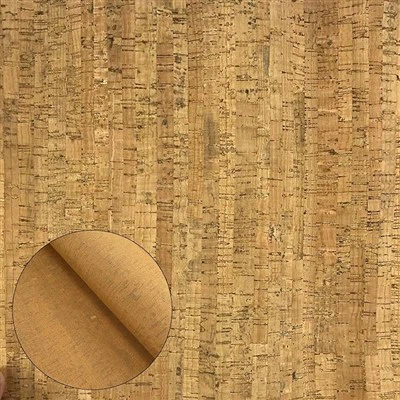
Elasticity is a crucial property when it comes to PU leather for garments. As a supplier of PU leather for garments, I've had extensive experience and in - depth knowledge about this aspect. In this blog, I'll delve into what the elasticity of PU leather for garments is, its importance, and how it impacts the overall quality and usability of the leather.
Understanding Elasticity in PU Leather
Elasticity in the context of PU leather refers to its ability to stretch under an applied force and then return to its original shape once the force is removed. This property is measured by the degree of stretch and the recovery rate. A highly elastic PU leather can stretch significantly without losing its structural integrity and will bounce back to its initial form with minimal deformation.
The elasticity of PU leather is determined by several factors. Firstly, the chemical composition of the PU coating plays a vital role. Different formulations of polyurethane can result in varying degrees of elasticity. For example, some formulations may be designed to be more flexible and stretchy, while others are more rigid.
Secondly, the base material onto which the PU coating is applied also affects elasticity. Common base materials include polyester, nylon, and cotton. Polyester - based PU leather may offer a different level of stretch compared to cotton - based PU leather. The weave and density of the base fabric influence how the leather stretches and recovers. A tightly woven base fabric may limit the stretchability, while a looser weave can allow for more flexibility.


Importance of Elasticity in Garment PU Leather
Elasticity is of utmost importance in PU leather for garments for several reasons. One of the primary benefits is comfort. When a person wears a garment made of elastic PU leather, the leather can stretch to accommodate the body's movements. Whether it's bending, stretching, or sitting, the elastic leather moves with the body, preventing the garment from feeling tight or restrictive. This is especially important for form - fitting garments such as jackets, pants, and skirts.
In addition to comfort, elasticity also contributes to the durability of the garment. A leather with good elasticity can withstand repeated stretching and bending without cracking or tearing. This is essential for long - lasting garments that can endure regular wear and tear. For example, a pair of PU leather jeans that are elastic can maintain their shape and integrity even after multiple washes and wears.
Another advantage is the aesthetic appeal. Elastic PU leather can drape well on the body, creating a smooth and flattering silhouette. It can hug the curves of the body in a natural way, enhancing the overall look of the garment. This is particularly important for high - fashion and designer clothing, where the fit and appearance are key factors.
Measuring the Elasticity of PU Leather
There are several methods to measure the elasticity of PU leather. One common method is the tensile test. In a tensile test, a sample of the PU leather is clamped at both ends and then pulled at a constant rate until it breaks. During the test, the amount of force applied and the corresponding stretch of the leather are measured. The stress - strain curve obtained from the test can provide information about the leather's elasticity, including the elastic modulus, yield point, and ultimate tensile strength.
Another method is the recovery test. In this test, the leather is stretched to a certain degree and then held for a specific period. After that, the force is removed, and the leather is allowed to recover. The percentage of recovery is measured to determine how well the leather can return to its original shape. This test is useful for evaluating the long - term elasticity and resilience of the leather.
Impact of Elasticity on Garment Design and Manufacturing
The elasticity of PU leather has a significant impact on garment design and manufacturing. Designers need to consider the stretchability of the leather when creating patterns. For example, if a designer is creating a form - fitting dress, they need to account for the amount of stretch in the leather to ensure a proper fit. They may need to adjust the pattern size and shape accordingly.
In the manufacturing process, elasticity affects the cutting and sewing of the leather. Elastic leather may require different cutting techniques compared to non - elastic leather. A more precise cutting method may be needed to ensure accurate pattern pieces. Sewing also needs to be carefully done to accommodate the stretch. Special sewing threads and stitches may be used to prevent the seams from breaking when the leather is stretched.
Applications of Elastic PU Leather in Garments
Elastic PU leather is widely used in various types of garments. In the fashion industry, it is commonly used in outerwear such as jackets and coats. The elasticity allows for a comfortable fit and gives the outerwear a modern and stylish look. For example, a PU leather motorcycle jacket with good elasticity can provide both protection and a trendy appearance.
It is also popular in sportswear. Sports jackets, pants, and shorts made of elastic PU leather offer freedom of movement and can withstand the intense physical activity associated with sports. The stretchability of the leather allows athletes to perform at their best without being hindered by the clothing.
In addition, elastic PU leather is used in formal wear. Evening gowns, suits, and blouses made of this leather can create a sophisticated and elegant look. The elasticity ensures a perfect fit, enhancing the wearer's confidence and style.
Our Product Range of Elastic PU Leather for Garments
As a supplier of PU leather for garments, we offer a wide range of elastic PU leather products. Our China Manufacture Metallic Fabric Leopard Print Fabric Very High - grade PU Leather Suitable for Bags, Shoes, Cloth and Sofa is not only visually appealing with its leopard print but also has excellent elasticity. It is suitable for a variety of garments, including trendy jackets and stylish skirts. The metallic finish adds a touch of glamour, while the elasticity ensures comfort and durability.
Another product in our range is the Discount Oil - wax PU Recycled Faux Leather Waterproof Leather Cloth Leather for Bags Footwear Cloth Accessories Interior Decoration Car Interior. This recycled faux leather is not only eco - friendly but also has good elasticity. It can be used for making durable and comfortable garments, such as casual pants and vests. The oil - wax finish gives it a unique look and provides water - resistance, making it suitable for different weather conditions.
Conclusion
In conclusion, the elasticity of PU leather for garments is a complex yet essential property. It is determined by factors such as the chemical composition of the PU coating and the base material. Elasticity offers numerous benefits, including comfort, durability, and aesthetic appeal. Measuring elasticity is crucial for ensuring the quality of the leather, and it has a significant impact on garment design and manufacturing.
If you are in the market for high - quality elastic PU leather for your garment production, we would love to have a discussion with you. Our team of experts can provide detailed information about our products and help you choose the right type of PU leather for your specific needs. Contact us to start a procurement negotiation and take your garment business to the next level.
References
- ASTM International. "Standard Test Methods for Tensile Properties of Textile Fabrics." ASTM D5034 - 19.
- ISO. "Textiles - Determination of Tensile Properties of Fabrics - Part 1: Using Strip Method." ISO 13934 - 1.