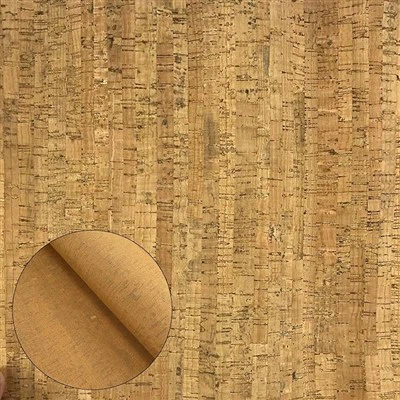
In recent years, the fashion industry has witnessed a significant shift towards sustainability, with a growing demand for ethical and eco - friendly alternatives to traditional leather. Among these alternatives, plant - based vegan leather for bags has emerged as a popular choice, sparking a debate on whether it is better than synthetic leather. As a supplier of vegan leather for bags, I am deeply involved in this industry and would like to share my insights on this topic.
Understanding Plant - Based Vegan Leather and Synthetic Leather
Plant - based vegan leather is crafted from natural plant materials such as pineapple leaves (Piñatex), cork, and apple peels. These materials are renewable, biodegradable, and often sourced through sustainable farming practices. The production process of plant - based vegan leather typically involves less harmful chemicals compared to traditional leather tanning, which is known for its high environmental impact due to the use of heavy metals and toxic substances.
On the other hand, synthetic leather, also known as faux leather or artificial leather, is man - made. It is usually created from polymers like polyurethane (PU) or polyvinyl chloride (PVC). Synthetic leather can mimic the look and feel of real leather at a lower cost. It offers a wide range of textures and colors, and its production can be easily scaled up to meet market demand.
Environmental Impact
One of the most significant advantages of plant - based vegan leather is its lower environmental footprint. For instance, Piñatex is made from pineapple leaf fibers, a by - product of the pineapple farming industry. By using these waste materials, we reduce the amount of agricultural waste that would otherwise end up in landfills. Moreover, the cultivation of plants used in vegan leather production often requires less water and fewer pesticides compared to conventional leather - producing livestock farming.
Synthetic leather, however, has its own environmental challenges. The production of PVC, a common material in synthetic leather, involves the use of chlorine, which can release dioxins, a highly toxic group of chemicals, during its manufacturing and disposal. Additionally, synthetic leather is typically non - biodegradable, meaning it will remain in landfills for hundreds of years. While some synthetic leathers are made from recycled materials, the overall environmental impact of synthetic leather production and disposal is still a concern.
Quality and Durability
When it comes to quality and durability, both plant - based vegan leather and synthetic leather have their pros and cons. Plant - based vegan leather has a unique texture and appearance that is often more natural - looking compared to synthetic leather. It can also be more breathable, which is a desirable feature for bags as it can prevent the build - up of moisture and odor. However, plant - based vegan leather may not be as durable as some high - quality synthetic leathers. It can be more prone to scratches and wear over time, especially if not properly cared for.
Synthetic leather, on the other hand, can be engineered to be highly durable. It can resist water, stains, and abrasions better than plant - based vegan leather in some cases. High - end synthetic leathers can also have a very realistic leather look and feel. However, lower - quality synthetic leathers may start to peel or crack after a relatively short period of use, which can significantly affect the lifespan of the bag.
Aesthetic Appeal
Aesthetically, plant - based vegan leather offers a more organic and rustic look. It has a charm that comes from its natural origin, which can be appealing to consumers who prefer a more eco - friendly and unique style. The texture of plant - based vegan leather can vary depending on the plant material used, adding to its visual interest.
Synthetic leather, on the other hand, provides a more uniform and consistent appearance. It can be easily manipulated to achieve different colors, patterns, and finishes, making it a versatile choice for designers. For example, you can find synthetic leathers with a smooth, glossy finish or a textured look that closely resembles real leather. If you are interested in exploring different synthetic leather options, you can check out Hot Sale 1.8mm Microfiber Synthetic Leather China Factory Faux Leather for Shoes Sofa Car Seat Covers and Hotsale1.2MM Breathable Lychee Pattern Microfiber Car Leather Sofa Leather Manufacture.
Cost
Cost is an important factor for both manufacturers and consumers. Plant - based vegan leather is generally more expensive to produce than synthetic leather. The raw materials for plant - based vegan leather can be more costly, especially if they are sourced from sustainable and ethical suppliers. Additionally, the production process of plant - based vegan leather is often more labor - intensive, which further drives up the cost.
Synthetic leather, on the other hand, is more cost - effective. The raw materials for synthetic leather are readily available, and the production process can be automated, resulting in lower production costs. This makes synthetic leather a popular choice for budget - friendly fashion items. However, as the demand for plant - based vegan leather increases and production technologies improve, the cost gap between the two may gradually narrow.
Ethical Considerations
For many consumers, the ethical aspect is a major factor in choosing between plant - based vegan leather and synthetic leather. Plant - based vegan leather is a cruelty - free option, as it does not involve the use of animals in its production. This is in line with the values of many vegan and animal - rights advocates.
Synthetic leather is also considered a cruelty - free alternative to traditional leather. However, some people may have concerns about the environmental and health impacts associated with the production of synthetic materials, as mentioned earlier.
Market Trends
The market for plant - based vegan leather is growing rapidly. Consumers are becoming more aware of the environmental and ethical issues associated with traditional leather, and they are actively seeking out sustainable alternatives. Many high - end fashion brands are now incorporating plant - based vegan leather into their collections, which is driving up the demand and improving the overall quality of plant - based vegan leather products.
Synthetic leather still holds a significant share in the market, especially in the mass - market and budget segments. Its affordability and versatility make it a popular choice for a wide range of products, from shoes to car seat covers. If you are interested in wholesale synthetic leather options for bags, sofas, or car seats, you can visit Wholesale Litchi Grain Leather Microfiber Leather Manufacture Vegan Leather Supplier in China for Sofa Bag Car Seat Furniture Car Interior.
Conclusion
In conclusion, whether plant - based vegan leather for bags is better than synthetic leather depends on various factors. If environmental sustainability, ethical considerations, and a natural aesthetic are your top priorities, then plant - based vegan leather is likely the better choice. It offers a more eco - friendly and cruelty - free option, although it may come at a higher cost and require more careful maintenance.
On the other hand, if cost, durability, and a wide range of design options are more important to you, synthetic leather may be the preferred alternative. It can provide a cost - effective and versatile solution for bag manufacturers and consumers alike.
As a supplier of vegan leather for bags, I believe that both plant - based vegan leather and synthetic leather have their place in the market. We are committed to providing high - quality, sustainable, and ethical leather alternatives to meet the diverse needs of our customers. If you are interested in learning more about our products or would like to discuss potential procurement opportunities, please feel free to reach out to us. We look forward to the possibility of working with you to create beautiful and sustainable bags.


References
- "The Environmental Impact of Leather Production" - Journal of Environmental Science and Technology
- "Sustainable Materials in the Fashion Industry" - Fashion Studies Journal
- "The Rise of Plant - Based Vegan Leather" - Sustainable Fashion Magazine