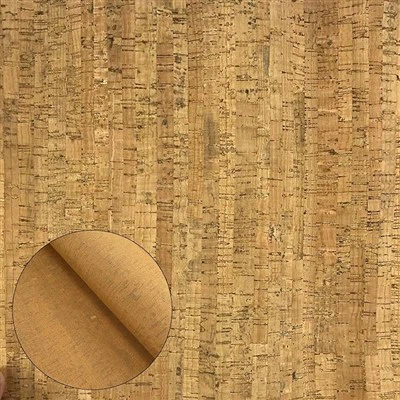
Creating a custom print on cork fabric is an exciting process that combines creativity with the unique properties of cork. As a printed cork fabric supplier, I've had the privilege of working with a wide range of clients to bring their custom print ideas to life. In this blog post, I'll guide you through the steps of creating a custom print on cork fabric, from design concept to the final product.
Understanding Cork Fabric
Before diving into the printing process, it's essential to understand the characteristics of cork fabric. Cork is a natural, sustainable material harvested from the bark of cork oak trees. It's lightweight, water - resistant, hypoallergenic, and has excellent acoustic and thermal insulation properties. Cork fabric is made by laminating thin cork sheets onto a fabric backing, which gives it flexibility and makes it suitable for various applications, such as footwear, handbags, hats, laptop covers, automotive interiors, and furniture.
When considering custom printing on cork fabric, keep in mind that the natural texture of cork can add an interesting dimension to the print. However, it also means that the final print may have a slightly different appearance compared to printing on a smooth surface.
Step 1: Design Your Print
The first step in creating a custom print on cork fabric is to come up with a design. Your design can be anything from a simple logo to a complex pattern or illustration. Here are some tips to help you create a successful design:
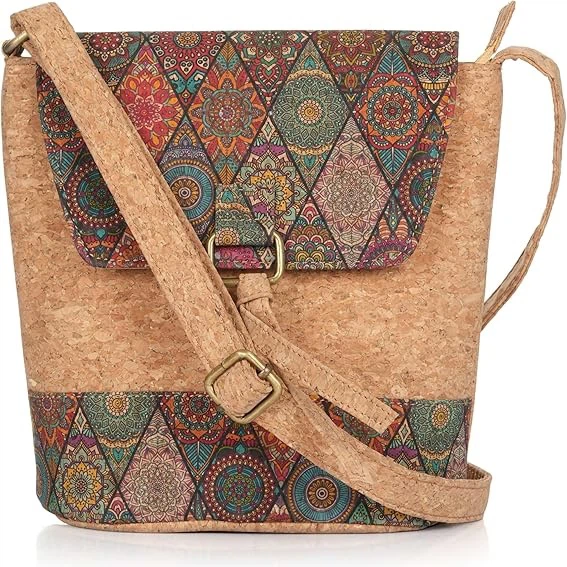

- Understand Your Purpose: Determine the purpose of your custom - printed cork fabric. Is it for a fashion item, a home decor piece, or something else? This will influence the style and color scheme of your design.
- Consider the Cork Texture: As mentioned earlier, the texture of cork can affect the look of your print. Choose a design that will work well with the natural irregularities of the cork surface. For example, bold, simple designs often show up better on cork than highly detailed ones.
- Color Selection: Keep in mind that the natural color of cork is a warm, earthy tone. Select colors that complement this base color. You can also experiment with contrasting colors for a more eye - catching effect.
Once you have your design, it's important to have it in a high - resolution digital format. This will ensure that the print quality is sharp and clear. Most printing methods require a minimum resolution of 300 DPI (dots per inch).
Step 2: Choose the Right Printing Method
There are several printing methods available for cork fabric, and the choice depends on various factors such as the design complexity, the quantity of the order, and the budget. Here are some common printing methods:
- Screen Printing: Screen printing is a traditional method that is suitable for simple, single - color or multi - color designs. It involves pushing ink through a mesh screen onto the cork fabric. This method is cost - effective for large - quantity orders but may not be ideal for highly detailed designs.
- Digital Printing: Digital printing is a more modern option that allows for high - resolution, full - color prints. It can reproduce complex designs with great accuracy and is suitable for small to medium - sized orders. Digital printing also offers the advantage of shorter lead times compared to screen printing.
- Heat Transfer Printing: Heat transfer printing involves printing the design onto a transfer paper and then using heat and pressure to transfer the design onto the cork fabric. This method is good for detailed designs and can be used for both small and large orders.
As a printed cork fabric supplier, we can help you choose the most suitable printing method based on your specific requirements. Printed Cork Fabric China Manufacture Cork Leather Supplier for Footwear Handbags Hat Laptop Automotive Interiors Furniture
Step 3: Prepare the Cork Fabric
Before printing, the cork fabric needs to be properly prepared to ensure a good print result. Here are the steps:
- Cleaning: The cork fabric should be cleaned to remove any dust, dirt, or oils. This can be done using a mild detergent and a soft cloth. Make sure to dry the fabric thoroughly before printing.
- Stretching: If the cork fabric is not stretched properly, it may wrinkle during the printing process, which can affect the print quality. Use a stretching frame or a flat surface to stretch the fabric evenly.
Step 4: Printing Process
Once the design is finalized, the printing method is chosen, and the cork fabric is prepared, it's time to start the printing process.
- Set Up the Printing Equipment: Depending on the printing method, set up the printing equipment according to the manufacturer's instructions. This may involve adjusting the ink flow, the pressure, and the alignment of the design.
- Test Print: Before printing the entire batch, it's a good idea to do a test print on a small piece of cork fabric. This allows you to check the color accuracy, the print quality, and make any necessary adjustments.
- Printing the Batch: Once the test print is satisfactory, start printing the entire batch of cork fabric. Make sure to monitor the process closely to ensure consistent quality.
Step 5: Post - Printing Treatment
After the printing is done, the cork fabric needs some post - printing treatment:
- Drying: The printed cork fabric needs to be dried properly to set the ink. The drying time depends on the printing method and the type of ink used. In some cases, a heat - setting process may be required to ensure that the ink adheres firmly to the cork fabric.
- Finishing: Depending on the application, the printed cork fabric may need some finishing touches. This can include cutting the fabric into the desired shape, adding a protective coating, or attaching it to other materials.
Step 6: Quality Control
Quality control is an important step in the process of creating custom - printed cork fabric. Here are some aspects to check:
- Print Quality: Check for any smudges, streaks, or uneven color distribution in the print. The design should be sharp and clear.
- Color Accuracy: Compare the printed fabric with the original design to ensure that the colors match as closely as possible.
- Fabric Integrity: Check the cork fabric for any damage, such as tears or scratches, that may have occurred during the printing process.
Conclusion
Creating a custom print on cork fabric is a multi - step process that requires careful planning, the right printing method, and attention to detail. As a printed cork fabric supplier, we have the expertise and the resources to help you bring your custom print ideas to life. Whether you're a fashion designer, a home decorator, or a business owner looking for unique promotional items, we can work with you to create high - quality, custom - printed cork fabric.
If you're interested in creating custom - printed cork fabric for your project, we'd love to hear from you. Contact us to discuss your design ideas, printing requirements, and get a quote. We're committed to providing you with the best possible products and services.
References
- "Cork: A Sustainable Material for the Future" by Cork Research Institute
- "Textile Printing Techniques" by Textile Printing Association
- Manufacturer's guides for printing equipment and inks used in the process.