Vegan leather, also known as faux leather or synthetic leather, has gained significant popularity in recent years due to its ethical and environmental advantages. As a leading vegan leather supplier, I am often asked about the manufacturing process behind this innovative material. In this blog post, I will take you through the step-by-step journey of how vegan leather is made, shedding light on the technology and materials involved.
Raw Materials Selection
The first step in making vegan leather is selecting the appropriate raw materials. Unlike traditional leather, which is derived from animal hides, vegan leather is typically made from a variety of synthetic and plant-based materials. Some of the most common raw materials used in vegan leather production include:
- Polyurethane (PU): PU is a synthetic polymer that is widely used in the production of vegan leather. It is known for its durability, flexibility, and resistance to water and abrasion. PU can be formulated to mimic the look and feel of real leather, making it a popular choice for many applications.
- Polyvinyl Chloride (PVC): PVC is another synthetic material commonly used in vegan leather production. It is a versatile plastic that can be easily molded and shaped into various forms. PVC vegan leather is often more affordable than PU leather but may not be as breathable or environmentally friendly.
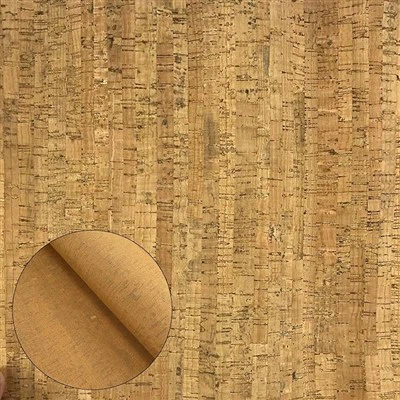
- Plant-based materials: In recent years, there has been a growing trend towards using plant-based materials in vegan leather production. These materials include cork, pineapple leaves (Piñatex), apple peels, and mushroom mycelium. Plant-based vegan leathers are considered more sustainable and eco-friendly than their synthetic counterparts.
Preparation of the Base Material
Once the raw materials have been selected, the next step is to prepare the base material. This involves mixing the raw materials with various additives and solvents to create a liquid or paste-like substance. The exact composition of the base material will depend on the type of vegan leather being produced and the desired properties.
For PU vegan leather, the base material is typically a mixture of PU resin, solvents, and additives such as pigments, stabilizers, and plasticizers. The mixture is then heated and stirred to ensure a homogeneous consistency. The resulting liquid is then coated onto a backing material, such as a fabric or paper, using a variety of coating techniques, including knife coating, roll coating, and spray coating.
For PVC vegan leather, the base material is a mixture of PVC resin, plasticizers, stabilizers, and pigments. The mixture is heated and melted, and then extruded or calendered into a thin sheet. The sheet is then cooled and cut into the desired size and shape.
Surface Treatment
After the base material has been prepared, the next step is to apply a surface treatment to give the vegan leather its desired appearance and texture. This can involve embossing, printing, or coating the surface of the base material with a protective layer.
Embossing is a common surface treatment technique used to create a textured pattern on the surface of the vegan leather. This can mimic the look and feel of real leather, such as the grain pattern or the texture of a particular animal hide. Embossing is typically done using a heated roller or a press with a textured surface.
Printing is another surface treatment technique used to add patterns, designs, or colors to the vegan leather. This can be done using a variety of printing methods, including screen printing, digital printing, and transfer printing. Printing can be used to create a wide range of effects, from simple solid colors to complex patterns and images.
Coating the surface of the vegan leather with a protective layer is also an important step in the manufacturing process. This can help to improve the durability, water resistance, and stain resistance of the material. The protective layer can be made from a variety of materials, including PU, PVC, or acrylic.
Quality Control and Testing
Once the vegan leather has been manufactured, it undergoes a series of quality control and testing procedures to ensure that it meets the required standards and specifications. This can include testing for strength, durability, flexibility, colorfastness, and resistance to water and abrasion.
Quality control is an important part of the manufacturing process to ensure that the vegan leather is of high quality and meets the expectations of the customers. This can involve inspecting the material for defects, such as scratches, stains, or uneven coloring, and ensuring that it meets the required thickness, width, and length specifications.


Testing is also an important part of the quality control process to ensure that the vegan leather meets the required performance standards. This can involve conducting a variety of tests, such as tensile strength testing, tear strength testing, abrasion resistance testing, and colorfastness testing. The results of these tests are used to determine whether the vegan leather is suitable for its intended application.
Applications of Vegan Leather
Vegan leather has a wide range of applications in various industries, including fashion, automotive, furniture, and footwear. Some of the most common applications of vegan leather include:
- Fashion: Vegan leather is widely used in the fashion industry to make clothing, handbags, wallets, belts, and shoes. It is a popular choice for designers and consumers who are looking for a more ethical and sustainable alternative to real leather.
- Automotive: Vegan leather is also used in the automotive industry to make car seats, steering wheels, dashboard covers, and other interior components. It is a popular choice for car manufacturers who are looking for a more durable and easy-to-clean alternative to real leather.
- Furniture: Vegan leather is commonly used in the furniture industry to make sofas, chairs, ottomans, and other upholstered furniture. It is a popular choice for consumers who are looking for a more affordable and easy-to-maintain alternative to real leather.
- Footwear: Vegan leather is also used in the footwear industry to make shoes, boots, sandals, and other footwear products. It is a popular choice for consumers who are looking for a more comfortable and breathable alternative to real leather.
Conclusion
In conclusion, vegan leather is a versatile and sustainable alternative to real leather. It is made from a variety of synthetic and plant-based materials and undergoes a series of manufacturing processes to create a material that mimics the look and feel of real leather. As a vegan leather supplier, I am committed to providing high-quality vegan leather products that meet the needs and expectations of our customers.
If you are interested in learning more about our vegan leather products or would like to discuss your specific requirements, please do not hesitate to contact us. We would be happy to provide you with more information and to assist you in finding the perfect vegan leather solution for your needs.
References
- "Vegan Leather: A Sustainable Alternative to Animal Leather." The Good Trade. Accessed [Date].
- "How Is Vegan Leather Made?" Treehugger. Accessed [Date].
- "The Future of Vegan Leather: Plant-Based and Lab-Grown Alternatives." Forbes. Accessed [Date].
Links
- Best Faux Leather Upholstery Fabric For Car Seat
- Durable Microfiber Leather Fabric For Automotive Interior
- Hot Sale 1.8mm Microfiber Synthetic Leather China Factory Faux Leather for Shoes Sofa Car Seat Covers
If you're interested in exploring our high - quality vegan leather products for your specific needs, whether it's for automotive, fashion, furniture, or footwear, we invite you to reach out. Our team of experts is ready to engage in in - depth discussions about your requirements, provide samples, and offer competitive pricing. Don't miss the opportunity to be part of the sustainable and ethical movement with our top - notch vegan leather solutions. Contact us today to start the procurement and negotiation process.