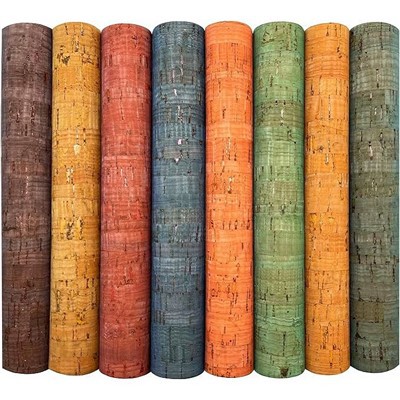
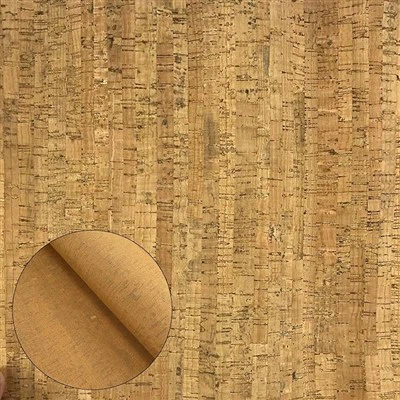
In recent years, the demand for sustainable fabrics has witnessed a significant surge as consumers become more environmentally conscious. Among the myriad of sustainable fabric options available in the market, printed cork fabric emerges as a unique and compelling choice. As a supplier of printed cork fabric, I am excited to delve into a detailed comparison between printed cork fabric and other sustainable fabrics, highlighting its distinctive features, advantages, and potential applications.

1. Environmental Impact
Printed Cork Fabric
Cork is harvested from the bark of cork oak trees (Quercus suber). The harvesting process is highly sustainable as it does not harm the trees. Instead, the bark regenerates every 9 - 12 years, allowing for continuous and long - term use. This makes cork a renewable resource. Additionally, cork oak forests play a crucial role in carbon sequestration, helping to mitigate climate change. They also provide a habitat for numerous plant and animal species, contributing to biodiversity.
The production of printed cork fabric involves relatively low - energy processes. Once the cork bark is harvested, it is processed into sheets, and printing is done using eco - friendly inks. These inks are free from harmful chemicals such as heavy metals and volatile organic compounds (VOCs), minimizing the environmental footprint during the manufacturing process.
Other Sustainable Fabrics
- Organic Cotton: Organic cotton is grown without the use of synthetic pesticides and fertilizers, which reduces water pollution and soil degradation. However, cotton cultivation is water - intensive. It requires a large amount of water for irrigation, which can put a strain on local water resources, especially in arid regions.
- Linen: Linen is made from the fibers of the flax plant. Flax is a relatively low - input crop, requiring less water and pesticides compared to cotton. However, the retting process, which is used to separate the fibers from the stem, can be energy - intensive and may produce wastewater that needs proper treatment.
- Bamboo Fabric: Bamboo is a fast - growing plant that can be harvested without killing the plant, making it a renewable resource. However, most bamboo fabric is made through a chemical viscose process, which involves the use of harsh chemicals such as sodium hydroxide and carbon disulfide. These chemicals can be harmful to the environment if not properly managed.
2. Physical Properties
Printed Cork Fabric
- Durability: Printed cork fabric is highly durable. The cork material has a natural cellular structure that provides excellent resistance to wear and tear. It can withstand repeated use and friction, making it suitable for a wide range of applications, including footwear, handbags, and automotive interiors.
- Water Resistance: Cork has inherent water - resistant properties. Its cellular structure acts as a barrier to water, preventing it from seeping through the fabric. This makes printed cork fabric ideal for outdoor use or in applications where moisture resistance is required, such as laptop cases and furniture upholstery.
- Lightweight: Printed cork fabric is lightweight, which is an advantage in applications where weight is a concern, such as in the production of hats and lightweight handbags.
Other Sustainable Fabrics
- Organic Cotton: Organic cotton is soft and breathable, but it is not as durable as printed cork fabric. It can shrink and wrinkle easily, and it may lose its shape over time. Cotton is also absorbent, which means it can retain moisture, making it less suitable for wet conditions.
- Linen: Linen is strong and has good heat conductivity, making it a popular choice for summer clothing. However, it is prone to wrinkling and may require more maintenance compared to printed cork fabric.
- Bamboo Fabric: Bamboo fabric is soft and has natural antibacterial properties. However, it is not as durable as printed cork fabric and may pill or stretch over time.
3. Aesthetic Appeal
Printed Cork Fabric
Printed cork fabric offers a unique and stylish aesthetic. The natural texture of cork adds a rustic and organic look to the fabric, while the printing process allows for a wide range of designs, colors, and patterns. This versatility makes it suitable for both modern and traditional design styles, and it can be used to create eye - catching products. Whether it's a bold geometric pattern for a fashion accessory or a subtle floral design for furniture upholstery, printed cork fabric can meet various aesthetic requirements.
Other Sustainable Fabrics
- Organic Cotton: Organic cotton has a soft and natural look. It is commonly used in casual and comfortable clothing, but its aesthetic appeal may be more limited compared to printed cork fabric. The color options are often more subdued, and the texture is relatively uniform.
- Linen: Linen has a distinct, slightly rough texture that gives it a natural and casual appearance. It is often associated with a laid - back, summer style, but its aesthetic may not be as versatile as printed cork fabric in terms of design and pattern options.
- Bamboo Fabric: Bamboo fabric has a smooth and silky texture. It has a more refined look, but like organic cotton, its design options may be more restricted compared to printed cork fabric.
4. Applications
Printed Cork Fabric
Printed cork fabric has a wide range of applications due to its unique properties.
- Footwear: Its durability and water resistance make it an excellent choice for shoe uppers. It can provide a stylish and comfortable alternative to traditional leather.
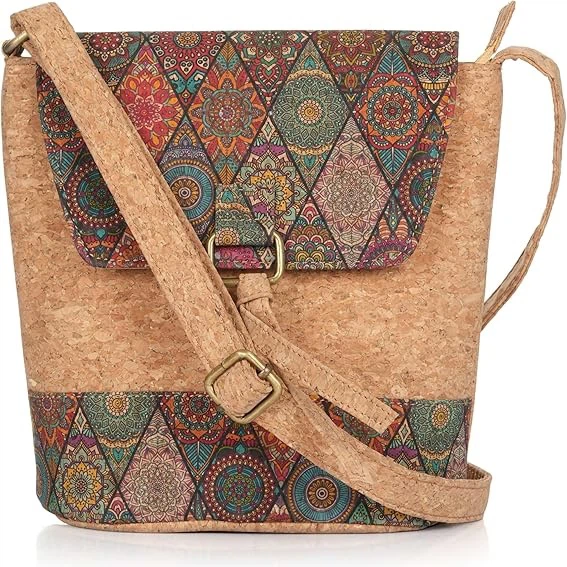
- Handbags: The lightweight and aesthetic appeal of printed cork fabric make it popular for handbag manufacturing. It can be used to create unique and fashionable bags that stand out in the market.
- Hat: The lightweight nature of cork fabric makes it suitable for hats. It can be easily shaped and printed with various designs to create trendy headwear.
- Laptop Cases: The water - resistant and shock - absorbing properties of cork make it a great material for laptop cases, protecting the device from moisture and minor impacts.
- Automotive Interiors: Printed cork fabric can be used for seat covers, door panels, and dashboard trims in cars. Its durability and unique aesthetic can enhance the interior design of vehicles.
- Furniture Upholstery: The water resistance and durability of cork fabric make it suitable for furniture upholstery. It can withstand daily use and is easy to clean, making it a practical choice for both residential and commercial furniture.
Other Sustainable Fabrics
- Organic Cotton: Organic cotton is mainly used in the clothing industry, including t - shirts, dresses, and underwear. It is also used in home textiles such as bed sheets and towels.
- Linen: Linen is commonly used in summer clothing, tablecloths, and napkins due to its breathability and natural look.
- Bamboo Fabric: Bamboo fabric is often used in clothing, especially for underwear and activewear, because of its softness and antibacterial properties.
5. Cost - effectiveness
Printed Cork Fabric
The cost of printed cork fabric can vary depending on factors such as the quality of the cork, the complexity of the printing, and the quantity ordered. In general, while it may be more expensive than some basic sustainable fabrics like organic cotton, its durability and unique properties can make it a cost - effective choice in the long run. For example, products made from printed cork fabric may have a longer lifespan, reducing the need for frequent replacements.
Other Sustainable Fabrics
- Organic Cotton: Organic cotton is generally more expensive than conventional cotton due to the higher cost of organic farming. However, it is relatively affordable compared to some other sustainable fabrics.
- Linen: Linen can be more expensive than cotton due to the labor - intensive production process. The cost may also vary depending on the quality of the flax and the manufacturing techniques used.
- Bamboo Fabric: The cost of bamboo fabric can vary widely. The chemically - processed bamboo viscose fabric is often more affordable, but the more environmentally friendly and higher - quality bamboo fabrics can be relatively expensive.
Conclusion
Printed cork fabric offers a unique combination of environmental sustainability, physical properties, aesthetic appeal, and cost - effectiveness. Compared to other sustainable fabrics, it stands out in terms of its durability, water resistance, and design versatility. As a supplier of Printed Cork Fabric China Manufacture Cork Leather Supplier for Footwear Handbags Hat Laptop Automotive Interiors Furniture, I believe that printed cork fabric has great potential in various industries.
If you are looking for a sustainable and innovative fabric solution for your products, I invite you to contact me for more information and to discuss your specific requirements. Whether you are a fashion designer, a furniture manufacturer, or an automotive parts supplier, printed cork fabric can offer a unique and sustainable option for your business.
References
- "Sustainable Textiles: An Introduction" by Karen Laitala and Kate Fletcher.
- "The Handbook of Sustainable Textiles" edited by Susan Scafidi.
- Various research papers on the environmental impact and properties of cork, cotton, linen, and bamboo fabrics from academic journals such as "Journal of Cleaner Production" and "Textile Research Journal".